Toward Indonesia Emas 2045, PTK Takes an Active Role in Safeguarding Fleet Reliability and the National Maritime Industry
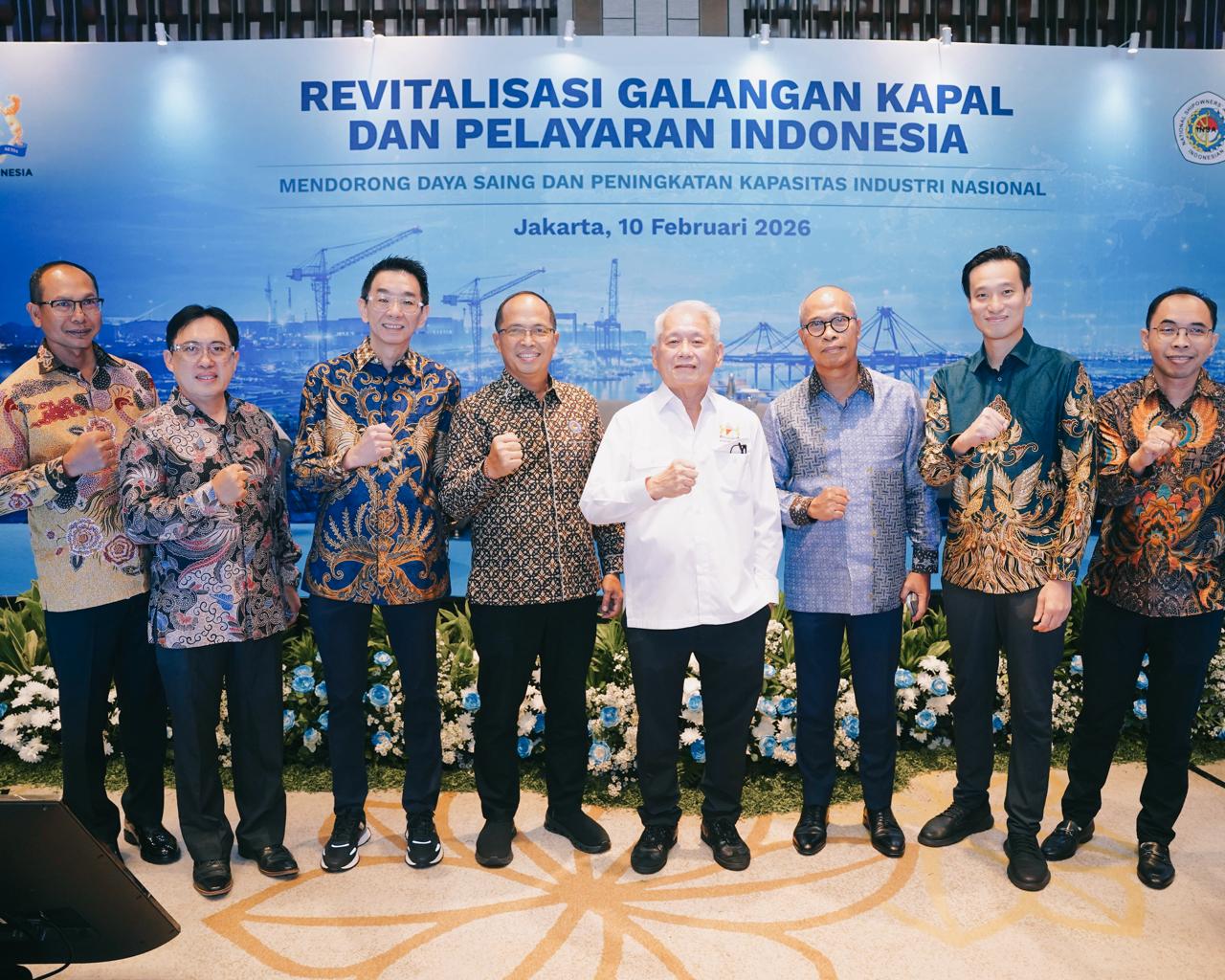
Jakarta — PT Pertamina Trans Kontinental (PTK) reaffirmed its strategic role in supporting the revival of Indonesia’s national maritime industry by strengthening its Marine Services at the Focus Group Discussion (FGD) on the Revitalization of Indonesian Shipyards and Shipping. The forum, organized by the Indonesian Chamber of Commerce and Industry (Kadin) in collaboration with the Indonesian National Shipowners’ Association (INSA) and the Indonesian Shipbuilding and Offshore Industry Association (IPERINDO), was held on 10 February 2026 in Jakarta and formed an important part of industry consolidation efforts toward the Indonesia Emas 2045 vision.
The FGD brought together key stakeholders in the national maritime sector, including relevant ministries, industry associations, fleet operators, domestic shipyards, and state-owned enterprises in the energy and maritime sectors. This cross-sector collaboration reflects a holistic ecosystem approach, where the success of the maritime industry is determined not only by policy and ship construction, but also by operational readiness, maintenance capabilities, and long-term fleet reliability. In this context, Marine Services serve as a strategic link between shipyard industrialization and real-world maritime operations.
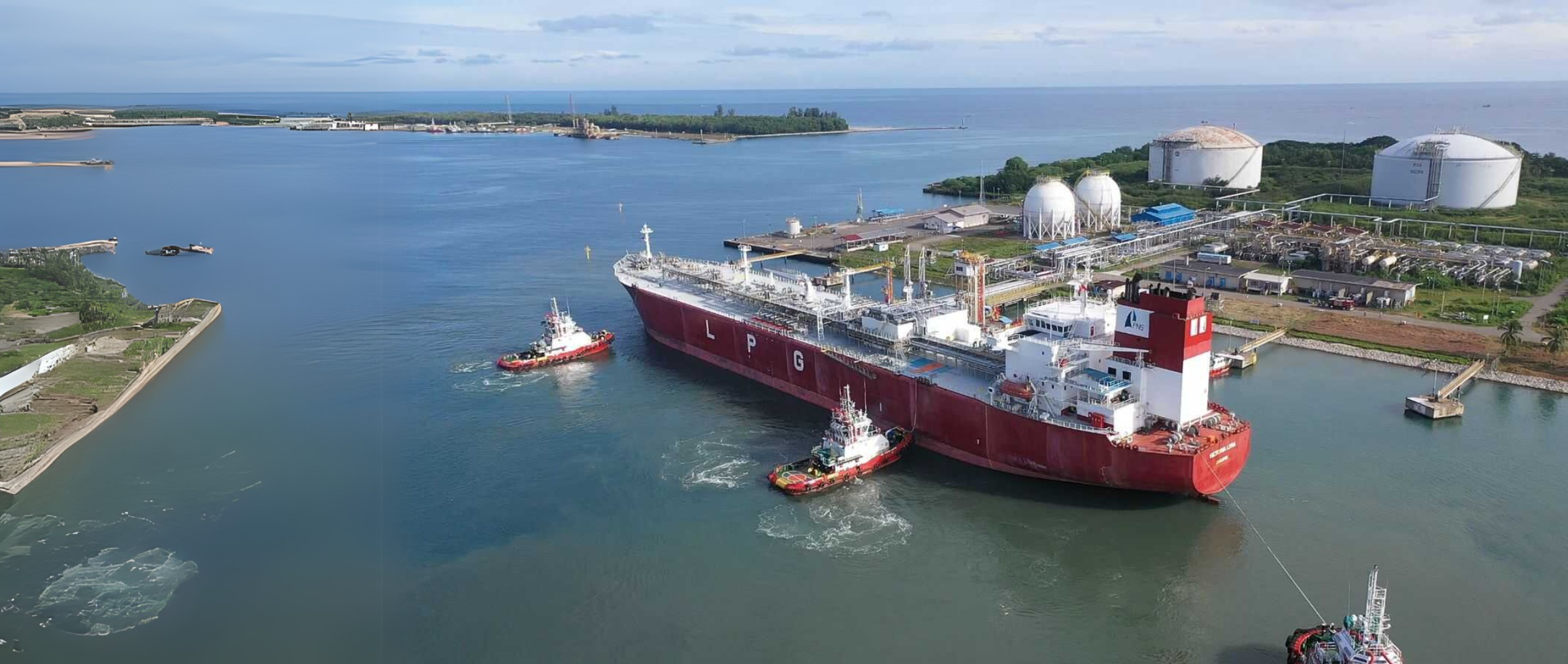
For PTK, the revitalization of national shipyards is not viewed merely as an increase in production capacity, but also as a catalyst for rising demand for post-construction services. The push for domestic shipbuilding is projected to significantly increase the national fleet in the coming years, particularly to support the energy, logistics, and shipping sectors. This development will directly drive higher demand for marine support services, inspection, maintenance, and integrated, sustainable HSSE management to ensure fleets operate optimally.
The President Director of PTK emphasized that the success of national fleet development does not end when a vessel is completed and delivered. “Vessels built domestically must have their reliability maintained throughout their entire life cycle. Success is measured not only by construction, but by the ability of ships to operate safely, reliably, and sustainably. This is where PTK plays a strategic post-construction role through Marine Services that focus on reliability and HSSE,” he stated. According to him, this approach is essential to ensure that substantial investments by the state and industry players in the maritime sector generate long-term value.
During the operational phase, fleet management becomes a critical factor, as operating and maintenance costs can generally account for around 20–30 percent of a vessel’s total life-cycle cost. Without standardized and sustainable service support, operational efficiency and safety are at risk of declining. Through a lifecycle mindset, PTK ensures the availability and reliability of national fleets and maritime infrastructure are consistently maintained. In doing so, PTK not only acts as a technical service provider, but also strengthens its position as a strategic marine partner in the revival of Indonesia’s maritime industry—delivering tangible benefits to clients, prospective clients, and the wider community in support of economic growth toward Indonesia Emas 2045.