PTK Strengthens Marine Services in National Maritime Industry Strategic Discussion
Jakarta — PT Pertamina Trans Kontinental (PTK) reaffirmed its commitment to maintaining the reliability of the national maritime fleet and infrastructure through active participation in the National Maritime Industry Strategic Discussion organized by PT PAL Indonesia. This initiative follows directives from the Daya Anagata Nusantara Investment Management Agency (Danantara) to strengthen domestic shipyards and address Indonesia’s shipping fleet requirements in an integrated manner. The forum served as a platform to align visions among stakeholders to ensure that national fleet development is in step with long-term operational readiness.
The discussion was attended by a broad range of maritime industry stakeholders, including energy fleet operators, classification societies, regulators, industry associations, and 22 national shipyards. This cross-sector participation reflects an end-to-end approach to maritime industry development, where policy success is measured not only by the number of vessels built, but also by the ability of ships and maritime infrastructure to operate safely, reliably, and efficiently over the long term.
PTK’s President Director emphasized that fulfilling national fleet requirements must be viewed comprehensively from an asset lifecycle perspective. “The success of national fleet development is determined not only by ship design and construction, but by reliability throughout the vessel’s operational lifecycle. This is where PTK plays a strategic post-construction role in ensuring that national fleets and maritime infrastructure remain safe, reliable, and sustainable through Marine Services that prioritize reliability and HSSE,” he stated. According to him, Marine Services are a key factor in maintaining fleet performance while minimizing operational and environmental risks.
National fleet demand in the coming years is projected to reach hundreds to thousands of vessels to support the energy, logistics, and broader maritime sectors. During the operational phase, fleet management becomes critical, as globally operating and maintenance costs can account for approximately 20–30 percent of a vessel’s total lifecycle cost. This underscores the need for major investments in fleet development to be balanced with standardized marine support, inspection, maintenance, and safety and environmental management services to ensure that state assets deliver maximum value.
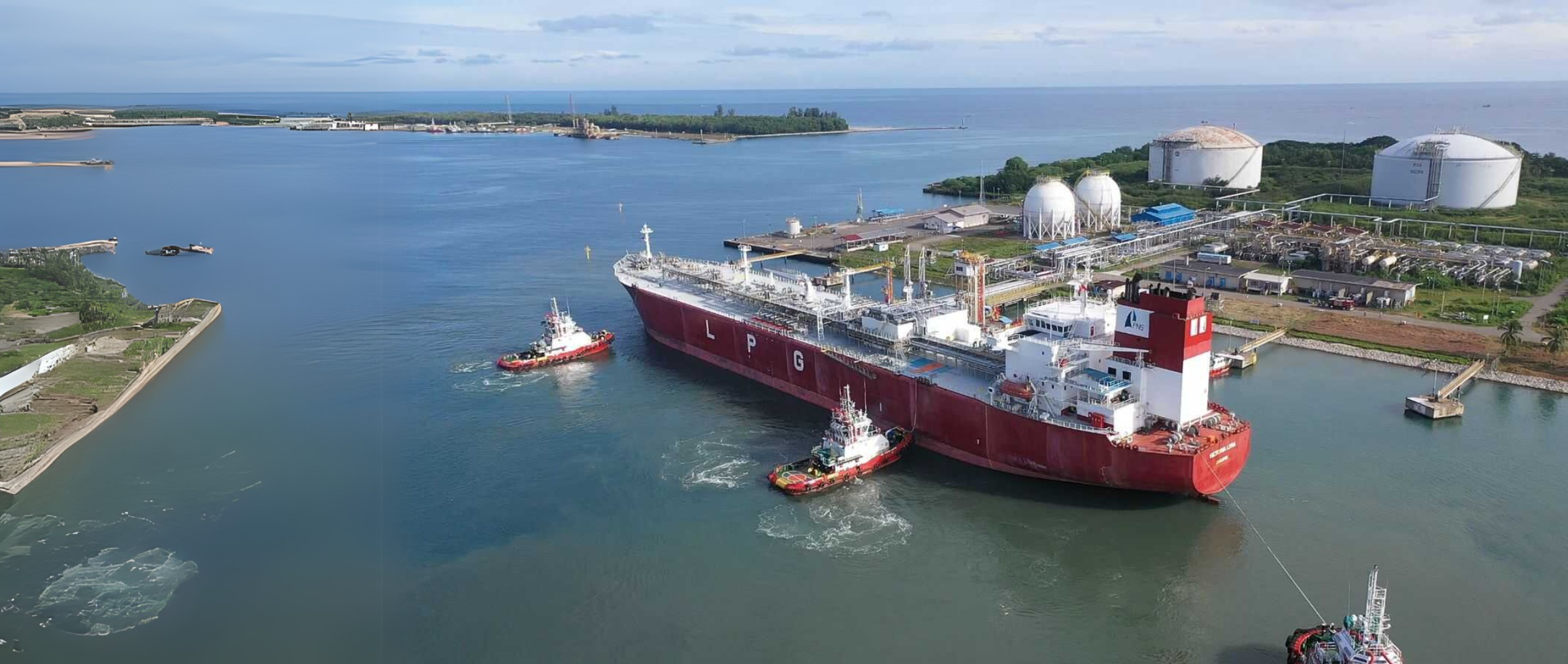
Through its integrated Marine Services, PTK plays a vital role in ensuring the availability and reliability of fleets and maritime infrastructure across Indonesia’s operational areas, including ports, energy terminals, and strategic waters. By adopting a lifecycle mindset, PTK strengthens its position as a strategic marine partner that not only supports client operations but also directly contributes to the success of Indonesia’s maritime self-reliance policy. The synergies built through this strategic discussion are expected to foster a more resilient, efficient, and competitive national maritime industry, delivering tangible benefits to businesses and the wider community.